

BioAI Safety & Security (BioAISS)
Safety and Security of AI in Biotechnology
Securing AI-enabled biotechnology systems
BioAI Safety & Security 2026: Safety and Security of AI in Biotechnology is the inaugural workshop co-located with the Annual Computer Security Applications Conference (ACSAC 2026). The workshop aims to bring together researchers, practitioners, industry experts, and policymakers to address emerging security and safety challenges arising from the integration of artificial intelligence into biotechnology, healthcare, pharmaceutical research, synthetic biology, and biomedical engineering.
Build a trusted interdisciplinary community
BioAISS brings together researchers, practitioners, policymakers, and educators working across cybersecurity, AI security, biotechnology, bioinformatics, healthcare security, and cyberbiosecurity to discuss technical, operational, and governance approaches for mitigating AI-related biological risks.
Call for Papers
Recent advances in large language models (LLMs), biological foundation models, and generative AI are transforming biomedical discovery, laboratory automation, protein engineering, drug discovery, genomic analysis, and clinical decision support. However, these technologies also introduce new cyberbiosecurity risks, including prompt injection attacks, jailbreaks against Bio-LLMs, adversarial machine learning, sensitive biomedical data leakage, AI-enabled insider threats, misuse of biological AI systems, and broader dual-use security concerns. BioAISS provides an interdisciplinary forum to discuss innovative research, practical solutions, evaluation methodologies, governance frameworks, and real-world experiences for securing AI-enabled biotechnology systems.
We invite original, unpublished research papers describing novel contributions at the intersection of cybersecurity, trustworthy AI, biotechnology, healthcare, bioinformatics, cyberbiosecurity, and AI governance. We welcome submissions from academia, industry, and government presenting theoretical advances, practical systems, benchmark datasets, empirical studies, deployment experiences, case studies, and emerging research directions. Both offensive and defensive perspectives are encouraged.
Topics of Interest
Topics include, but are not limited to:
- safety and Security of bio-specialized LLMs and foundation models
- Adversarial attacks against biological AI systems
- Prompt injection and jailbreak techniques in Bio-LLMs
- AI-enabled biological threat modeling
- AI safety, robustness, and alignment in biotechnology
- Secure genomic, biomedical, and healthcare data pipelines
- AI red-teaming methodologies for biotechnology systems
- Security of laboratory automation and biomanufacturing systems
- AI governance and dual-use risk mitigation
- Privacy-preserving AI for healthcare and biotechnology
- Secure deployment of AI-enabled healthcare systems
- Cyberbiosecurity education and workforce development
- AI-enabled insider threats in biotechnology environments
- Responsible disclosure and AI safety practices
- Security benchmarking and evaluation for Bio-LLMs
- Public policy, governance, and research security for biotechnology AI
Submission Guidelines
Proceedings
Final IEEE submission instructions and proceedings information will be announced once provided by ACSAC.
AI Usage Policy
Authors must follow the ACSAC AI Usage Policy for all workshop submissions.
Paper Submission Categories
- Regular technical papers: 7–12 pages
- Short technical papers: 2–6 pages
- Poster technical papers: 1–2 pages
- Case study papers: 2–6 pages
All submitted papers must be prepared in US Letter size, not A4, using the double-column IEEE conference format. This requirement will be strictly enforced.
IEEE format templates are available at IEEE Conference Templates.
LaTeX submissions must use the IEEEtran.cls version 1.8b template with the \documentclass[conference,compsoc]{IEEEtran} document class option.
Papers must be non-blinded and must clearly list each author’s organizational affiliation and contact information for one corresponding author. Submissions that do not follow these formatting guidelines risk rejection without consideration of paper merits.
Important Dates
Preliminary Program
December 7, 2026 | Los Angeles, California
Breakfast, Registration & Networking
Breakfast, participant registration, and informal networking.
Opening Remarks
Welcome and introduction by the BioAISS 2026 workshop chairs.
Keynote Talk
Speaker and talk details to be announced.
Coffee Break & Networking
Refreshments and informal discussions.
Biosecurity, Genomic AI, and Foundation Model Safety
Peer-reviewed research presentations exploring emerging biosecurity threats, genomic AI, and the safety and security of biological foundation models.
Paper titles and presentation details will be announced in the final program.
Poster Presentations & Networking
An interactive session bringing together keynote speakers, paper authors, researchers, cybersecurity practitioners, and industry participants.
Authors will be invited to present posters alongside their oral presentations, providing opportunities for technical discussions, knowledge sharing, and research collaborations.
Keynote Talk
Speaker and talk details to be announced.
Lunch & Networking
Lunch break and informal networking among workshop participants, keynote speakers, and researchers.
Keynote Talk
Speaker and talk details to be announced.
Coffee Break & Networking
Refreshments and informal discussions.
Cybersecurity, Privacy, and Trustworthy AI in Life Sciences
Peer-reviewed research presentations addressing cybersecurity challenges, privacy-preserving technologies, and trustworthy AI applications in biotechnology and healthcare.
Paper titles and presentation details will be announced in the final program.
Coffee Break & Networking
Refreshments and informal discussions.
Keynote Talk
Speaker and talk details to be announced.
Closing Remarks
Workshop highlights, acknowledgments, and closing remarks from the organizers.
Note: This program is preliminary and subject to change.
Keynote Speakers
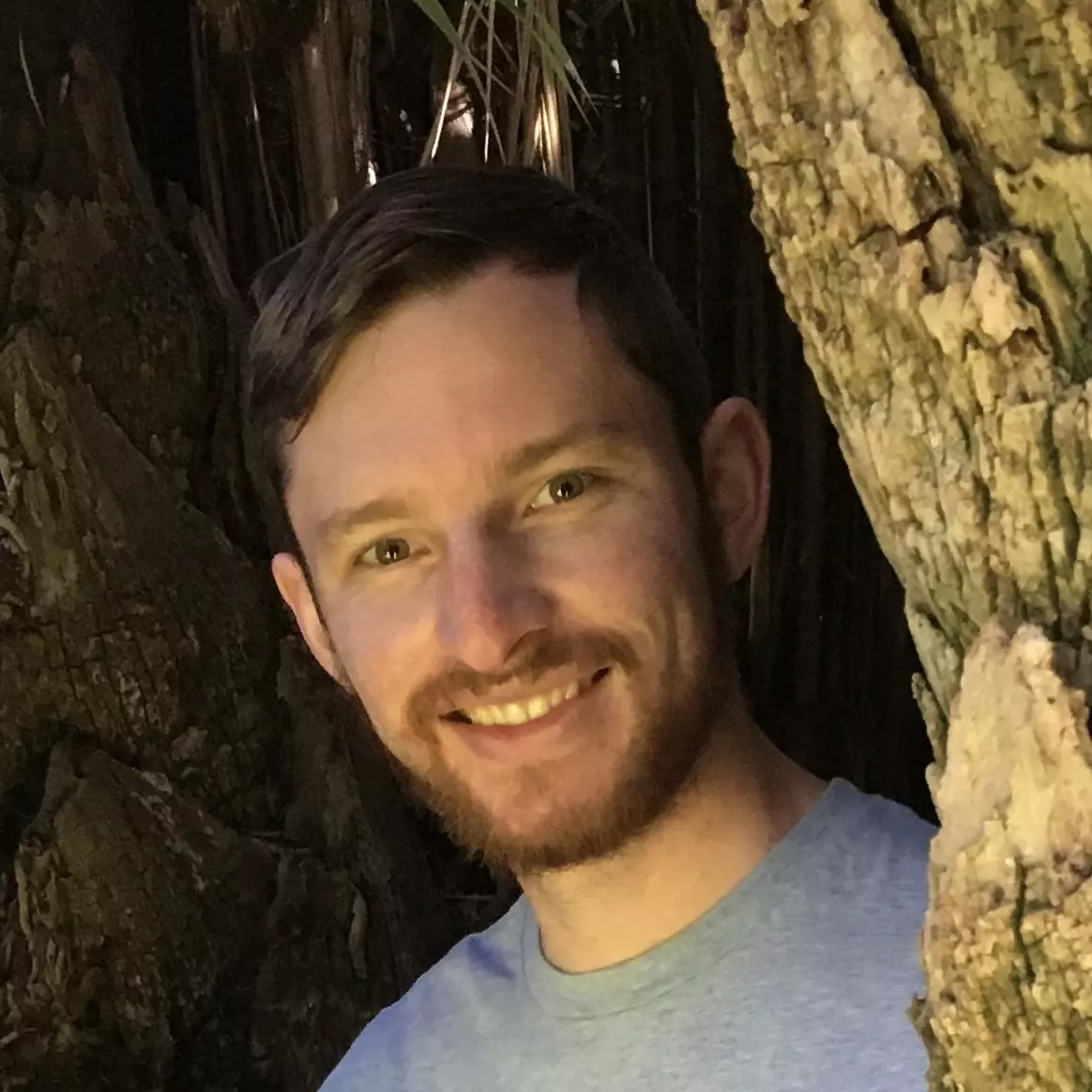
Dr. Tyler S. Laird
National Institute of Standards and Technology (NIST)
Biosecurity in the Age of Super Intelligence: NIST Efforts to Safeguard Synthetic Nucleic Acid Sequences
Read Biography
Tyler Laird is a bioinformatician within the Complex Microbial Systems Group at the National Institute of Standards and Technology (NIST), where he broadly supports Next-Generation Sequencing (NGS)-based biosurveillance efforts. A primary area of his research is nucleic acid sequence screening, which aims to detect Sequences of Concern (SoCs) in synthetic nucleic acid orders. He serves as a technical lead for developing datasets to assess sequence screening performed by algorithm developers and synthesis providers. Through this work, he helps establish the standardized data necessary to verify that baseline sequence screening occurs across the bioeconomy.
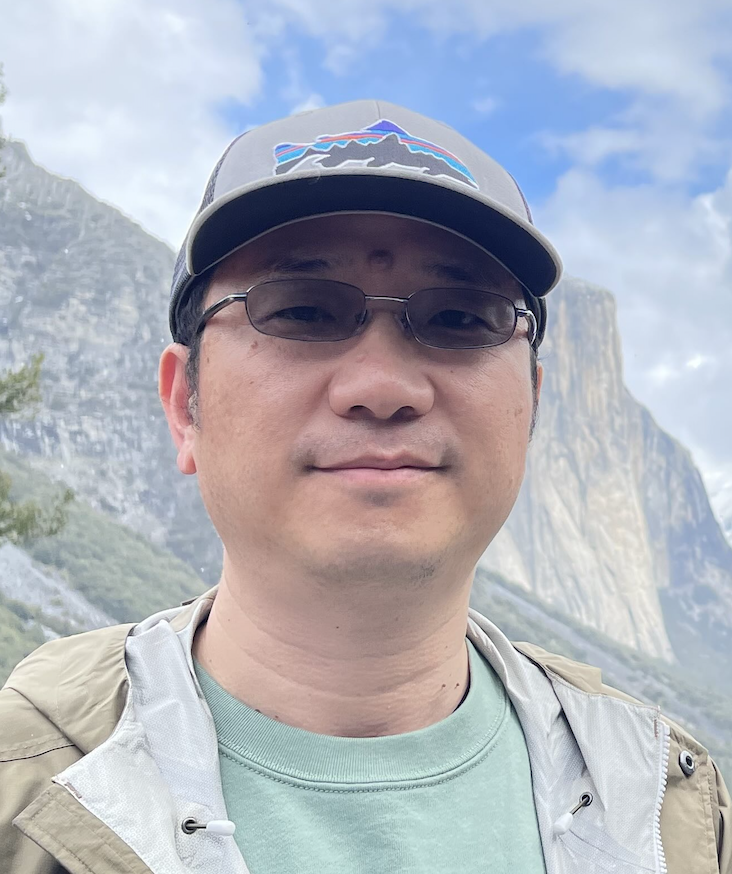
Dr. Bin Hu
B-GEN, Bioscience Division
Los Alamos National Laboratory (LANL)
Protein Surface Foundation Models for Genome-Scale Biothreat Assessment and Countermeasure Design
Read Talk Abstract
Biosecurity is a core element of national security, and rapidly advancing AI has lowered the barrier for adversaries to design biological and neurological agents. AI-designed threats need not resemble anything in our reference databases, which defeats signature- and homology-based detection. Reasoning over the physical interaction surface rather than sequence identity gives us a detection and triage pathway that does not depend on prior observation of the agent, and the same model accelerates the countermeasure side: target identification, antibody developability, and polyspecificity risk assessment at the speed a response timeline actually requires.
Our group developed SurfGraphPro, a foundation model that learns protein surface geometry and physicochemical composition directly. SurfGraphPro exceeds state-of-the-art accuracy by 8% with an 18-28x speedup, generating surface-informed embeddings and predicting protein-protein interaction sites in seconds to under a minute per protein. This moves surface-based target screening from a per-protein exercise to a genome-scale capability. SurfGraphPro complements our protein language model work on pathogen classification and biosurveillance.
We are leveraging SurfGraphPro to perform systematic, proteome-scale characterization of protein interaction surface, which accelerate both detection of novel biothreats and designing medical countermeasures against them.
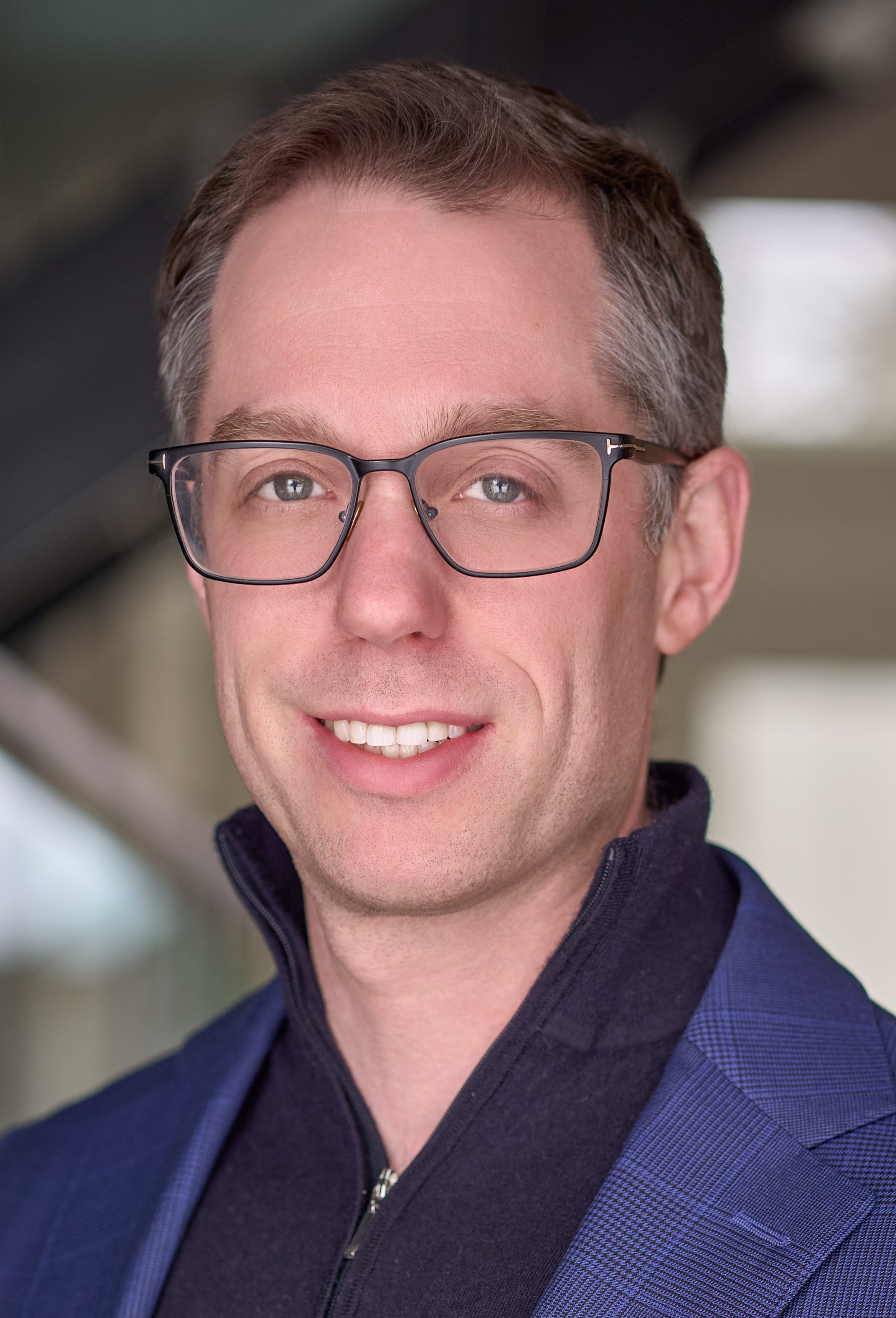
Michael Morgenstern
Partner, DayBlink Consulting
michael.morgenstern@dayblinkconsulting.com
Talk title, abstract, and biography coming soon.

Dr. Jon Sanders
Head of Foundational Research
SecureBio
Joint Keynote with Jake Yukich
Measuring AI's Biological Capabilities: From Benchmarks to the Bench
Read Biography
Jon Sanders, PhD, is Head of Foundational Research at SecureBio AI, where they lead forward-looking work on measuring biosecurity-relevant capabilities of AI models. They co-led development of the Virology Capabilities Test (VCT), a benchmark of large language model performance on practical virology tasks. Jon brings nearly two decades of experience in microbial genomics and bioinformatics, including postdoctoral research at UC San Diego and Cornell on microbiome evolution and low-cost, high-throughput metagenomics. Jon holds a PhD in Organismic and Evolutionary Biology from Harvard University and a BA from Stanford University.
Read Talk Abstract
The biological capabilities of AI are at once among the most promising for helping humanity, the most potentially terrifying if misused, and the most challenging to accurately measure. SecureBio builds tools to make these measurements, with the aim of reducing the probability of catastrophic misuse.
Here, we present an overview of our work to date, exploring benchmarks that demonstrate how frontier models can run liquid-handling robots, inexpensively reproduce published biological AI models using just an abstract, and troubleshoot virology better than most expert virologists.
We go on to look in depth at our recent explorations of how biosafety mitigations might function in an open-weights world, where there are no system-level safeguards: how do interventions like pre-training data filtering and post-training unlearning hold up to targeted attack?
Finally, we provide a preview of our upcoming work to extend critical biosafety-relevant assessments from the digital to the molecular.
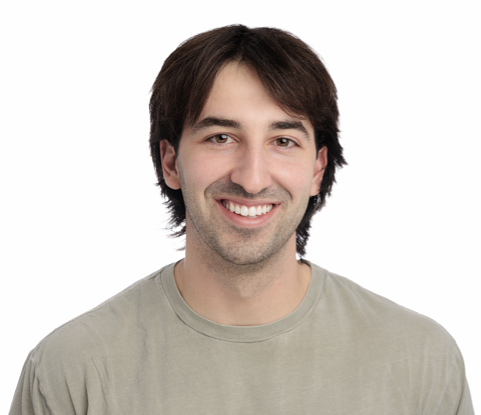
Jake Yukich
Research Engineer, AI Team
SecureBio
Joint Keynote with Dr. Jon Sanders
Measuring AI's Biological Capabilities: From Benchmarks to the Bench
Read Biography
Jake Yukich is a Research Engineer on SecureBio's AI team, where he evaluates and red teams frontier AI models for biological risk, runs pre-release assessments, and researches model safeguards. He came to biosecurity from biotech, working at the intersection of computation and biology, and studied computer science and molecular biology at UC Berkeley.
Read Talk Abstract
The biological capabilities of AI are at once among the most promising for helping humanity, the most potentially terrifying if misused, and the most challenging to accurately measure. SecureBio builds tools to make these measurements, with the aim of reducing the probability of catastrophic misuse.
Here, we present an overview of our work to date, exploring benchmarks that demonstrate how frontier models can run liquid-handling robots, inexpensively reproduce published biological AI models using just an abstract, and troubleshoot virology better than most expert virologists.
We go on to look in depth at our recent explorations of how biosafety mitigations might function in an open-weights world, where there are no system-level safeguards: how do interventions like pre-training data filtering and post-training unlearning hold up to targeted attack?
Finally, we provide a preview of our upcoming work to extend critical biosafety-relevant assessments from the digital to the molecular.
Workshop Organizers
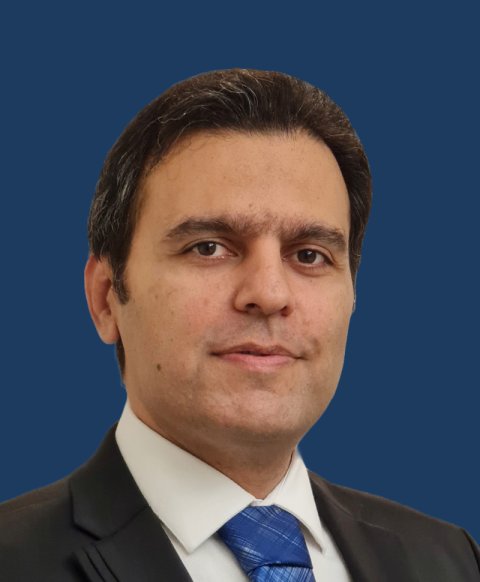
Dr. Mohammad GhasemiGol
General Chair
Associate Professor, Department of Computer Science & School of Cybersecurity, Old Dominion University
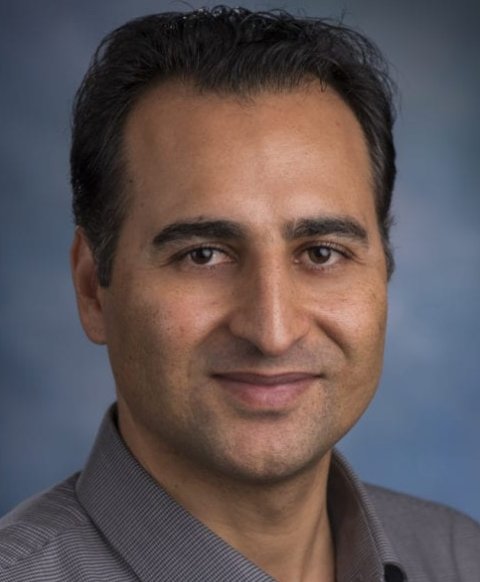
Dr. Daniel Takabi
Vice-Chair
Professor & Director, School of Cybersecurity, Old Dominion University
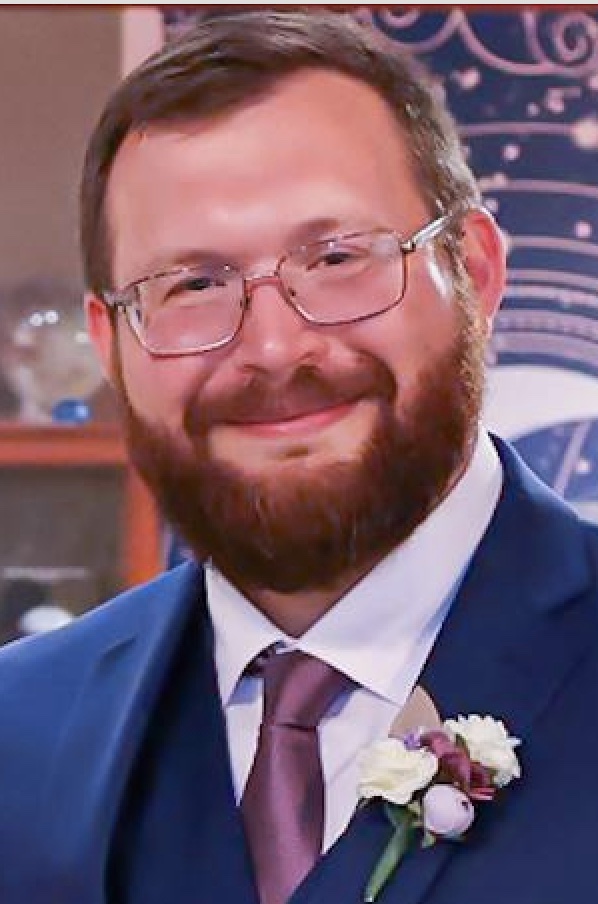
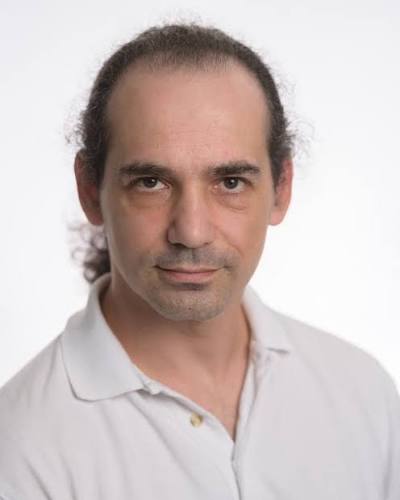
Dr. Rami Puzis
Vice-Chair
The Sten Faculty of Computer and Information Science, Ben-Gurion University of the Negev
Michael Morgenstern
Vice-Chair
Partner, DayBlink Consulting
Program Committee
The BioAISS 2026 Program Committee brings together researchers and experts from academia, industry, and government working across cybersecurity, artificial intelligence, bioinformatics, and trustworthy AI.
Sponsors
Workshop Sponsor

We gratefully acknowledge DayBlink Consulting for its generous support of BioAISS 2026.
Additional sponsorship opportunities are available. Interested organizations are encouraged to contact the workshop organizers.
Venue & Travel
BioAISS 2026 will be co-located with ACSAC 2026 in Los Angeles, California, USA.
Visa Information
International participants requiring a visa are encouraged to begin the process as early as possible. ACSAC provides visa letter information for international attendees.
Contact
For questions about BioAISS 2026, please contact the workshop organizers. Please include BioAISS in the subject line.